For years, marketers have lived by a simple rule: know your audience. But in an era shaped by algorithms, recommendation engines, and endless streams of content, understanding your audience means something very different from what it did a decade ago.
As platforms move beyond precise audience definitions and manual targeting inputs, the brands creating the strongest connections aren't simply targeting people. They understand the communities, creators, and cultural moments that influence behaviour.
The future of relevance isn't demographic – it's cultural.
Your audience is more than a persona
Traditional media planning relied heavily on audience personas. Marketers grouped consumers into categories such as ‘suburban mums aged 25-54' or 'students aged 18-24' and built strategies around those definitions. And while those descriptors still have value in that they can tell us who’s buying, they don’t tell us what captures attention, inspires engagement, or influences decisions.
Today's audiences are increasingly connected by something more powerful than demographics: shared interests, passions and cultural behaviours. It's the creators they follow, the communities they join, and the content they choose to spend time with. These cultural signals shape how people discover brands, form opinions, and ultimately decide to buy.
The question is no longer just who the audience is. It's how they behave, what communities they belong to, and what cultural forces shape their decisions.
Demographics explain who buys; culture explains why.
From tracking pixel to culture pixel
For years, digital advertising depended on the tracking pixel. Every click, website visit and purchase generated data that helped marketers build audiences and optimise performance. As privacy changes transformed access to third-party data, platforms had to rethink how they understood people.
That shift accelerated the rise of the algorithmic era. Today, platforms analyse billions of signals that go far beyond transactional behaviour. Watch time, creator affinity, content engagement, viewing patterns and online interactions all contribute to a richer understanding of human interests and intent.
In many ways, the tracking pixel has evolved into a culture pixel.
Platforms no longer just learn what people buy but strive to learn what people care about. For marketers, that changes how we approach targeting. As algorithms get better at finding the right audiences, our responsibility shifts from defining who to target to helping platforms understand where our content belongs.
To do that, we first need to understand how culture forms, spreads, and grows.
How communities create culture
Culture has always emerged from people coming together around shared passions and experiences. Social platforms have accelerated this process, enabling communities to connect, grow, and influence behaviour at an unprecedented scale.
Take BookTok as an example. What was once considered a largely solitary hobby has evolved into a vibrant global community where readers discover new authors, share recommendations and shape cultural conversations.
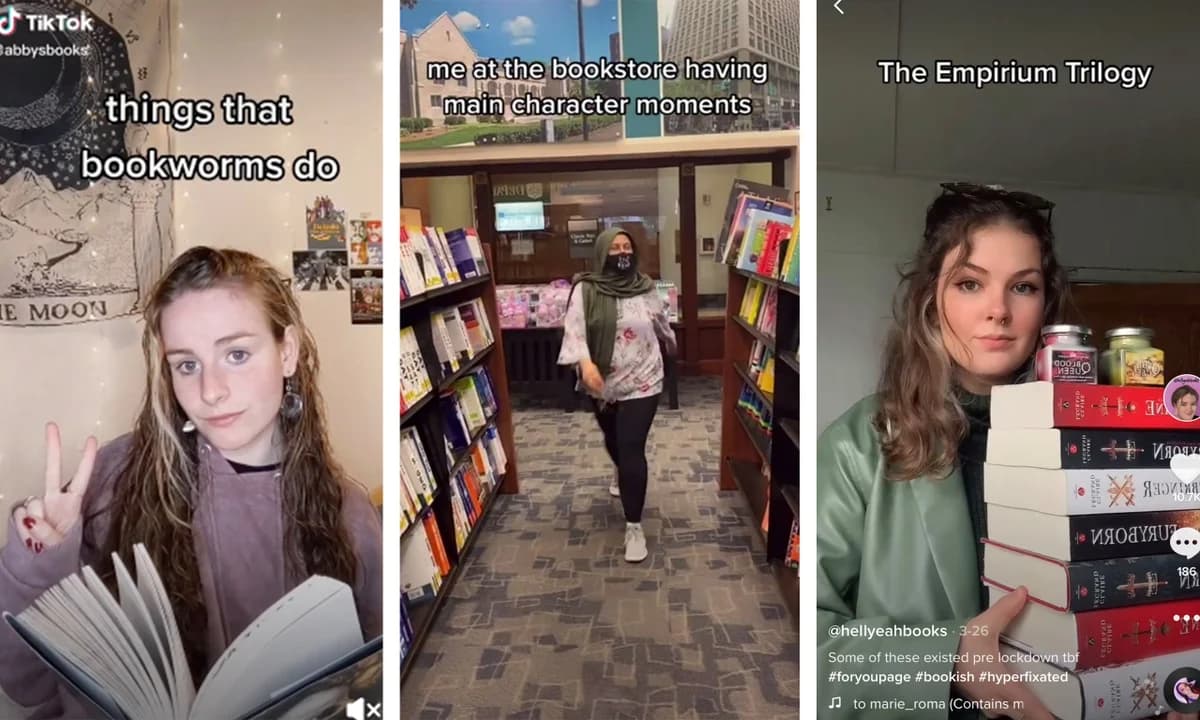
Image source: https://www.theguardian.com/books/2021/jun/25/the-rise-of-booktok-meet-the-teen-influencers-pushing-books-up-the-charts
It also perfectly illustrates why demographics alone no longer tell the full story. A suburban parent and a university student may appear completely different on a planning grid. Yet both could follow the same creators, engage with the same content, and participate in the same online discussions. These shared references create belonging. And belonging creates culture.
Communities provide the foundation. The conversations within them become the signals that shape behaviour.
The creator economy: why creators matter more than ever
If communities are where culture forms, creators shape, amplify, and accelerate it. Unlike traditional celebrities, creators build influence through participation. They are part of the communities they speak to. They understand the language, behaviours and nuances that matter because they live within them every day.
That proximity creates trust.
Creators don't simply broadcast messages. They translate culture, helping communities discover new ideas, products, and trends in ways that feel relevant and authentic.
For brands, creators are far more than media placements. They are cultural interpreters who help brands understand the spaces they want to enter and the conversations they want to join. Increasingly, they help create experiences audiences genuinely want to engage with.
Scaling culture through paid social
Communities may spark cultural movements, and creators may accelerate them, but paid social lets them scale. The opportunity for brands is no longer just participating in culture. It's understanding where cultural momentum is building and amplifying it in meaningful ways.
The strongest campaigns don't chase trends just to be relevant. They contribute to conversations in ways that feel authentic to the community powering them.
That might mean collaborating with creators who already hold credibility within a space. It might mean adapting creative to align with community behaviours. Or it could involve tapping into emerging cultural narratives before they reach the mainstream.
Paid social has evolved far beyond buying reach.
It's become a tool for scaling cultural relevance.
Combined with platform intelligence, creator partnerships and culturally informed creative enable brands to identify emerging signals, move at the speed of culture, and play a more meaningful role in the conversations shaping consumer behaviour.
Creative is the new targeting layer
As algorithms become more sophisticated, creative plays an increasingly important role in helping platforms understand who content is relevant to.
In the algorithmic era, creative isn't just communication – it's a signal.
The imagery, language, creators, references, and cultural cues embedded in content help algorithms identify the communities most likely to engage with it. In many ways, creative has become a new form of targeting. We no longer manually find every audience ourselves; our creative helps the algorithm find them.
That's why social-first creative has become such a critical driver of performance. Strong creative doesn't just communicate a message; it embeds itself in the language, behaviours, and interests of the communities brands want to reach.
The stronger the cultural signals, the easier it becomes for platforms to understand where content belongs and how to amplify it. When imagination, data and cultural intelligence come together, creative becomes far more than an asset. It becomes a growth engine.
The new rules of relevance
The algorithmic era hasn't made audience understanding less important. It's made it more important than ever, but you can no longer understand audiences through demographics alone.
The brands driving meaningful growth today are the ones that understand the communities their consumers belong to, the creators they trust, and the conversations that influence behaviour.
For marketers, this requires a mindset shift. Success is no longer determined by how precisely we define an audience, but by how effectively we create experiences that signal relevance.
Demographics may tell us who our audience is, but culture tells us how to connect with them.