The future of media effectiveness won’t be won by shouting louder, but by holding attention for longer. This is the idea that sat at the heart of The Long Lunch: Attention & Effectiveness, a dentsu-hosted session delivered in partnership with Newsworks. The discussion brought together experts in attention science, effectiveness modelling and media strategy to explore how attention is reshaping the way brands grow.
Rather than treating attention as a soft signal or proxy metric, the session positioned it as a core driver of performance, linking media choices and creative quality to commercial outcomes over time.
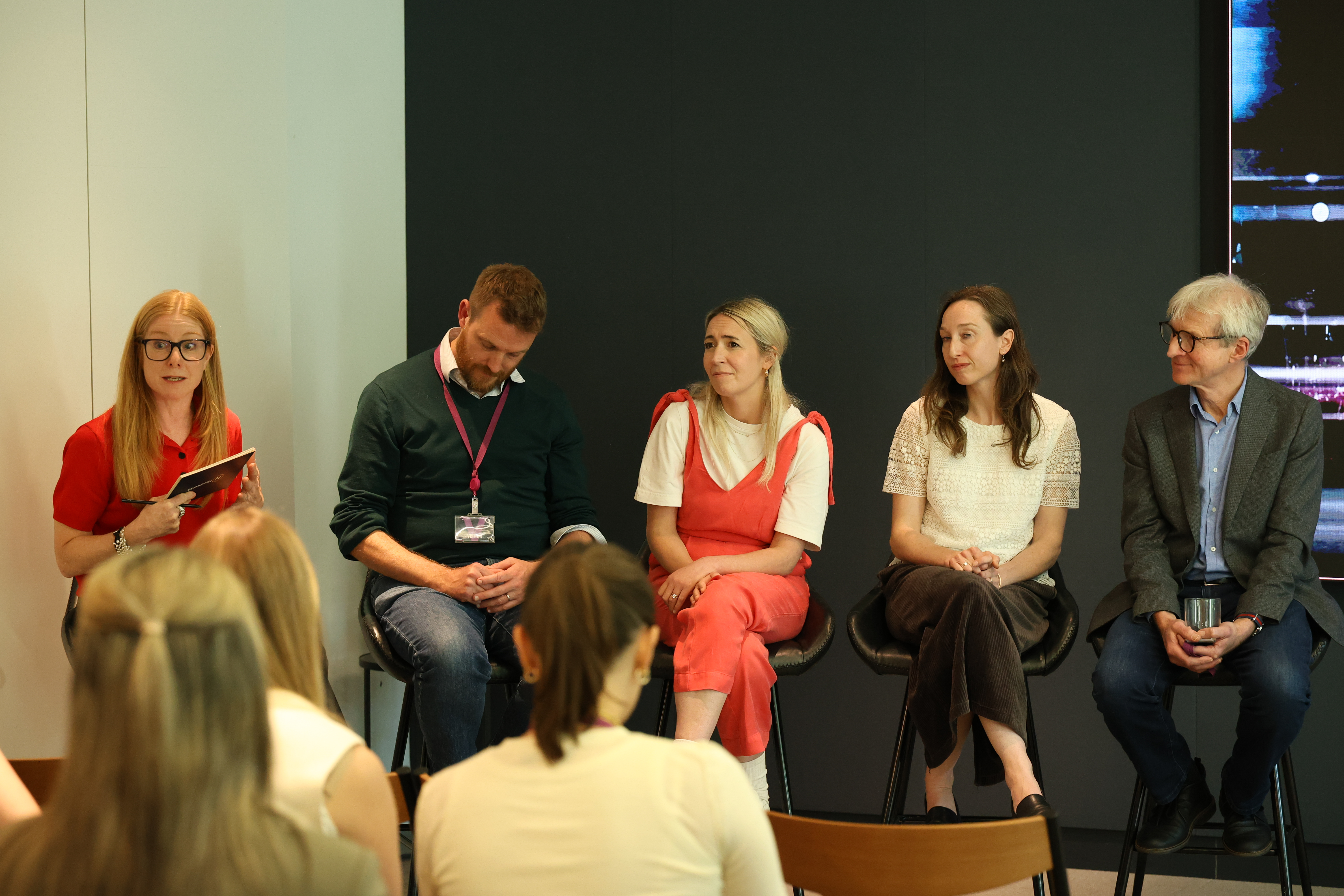
The panel featured Peter Field, Independent Effectiveness Consultant; Mike Follett, CEO of Lumen Research; Heather Dansie and Niki West from Newsworks; and Katie Hartley, Managing Director of Product & Innovation at dentsu. Together, they explored how attention works, how it accumulates and why it is becoming central to sustainable effectiveness.
Attention as a system, not a signal
Katie Hartley outlined how attention has evolved from a research concept into a practical tool for media planning. Attention metrics are now embedded within dentsu’s tools and systems, allowing planners to model both immediate and long‑term impact of different media channels and formats.
What makes this powerful is not simply understanding how much attention=== different media generates; It is understanding the value of each second of attention, depending on context, format and user behaviour.
Research consistently shows that voluntary attention delivers more impact per second than forced exposure. That distinction changes how video, display and emerging formats are evaluated. It also shifts the focus from placement to experience, encouraging planners to design media systems rather than assemble channel lists.
Encoding, accumulation and decay
Mike Follett introduced a crucial distinction between encoding attention and triggering attention. High‑attention environments are essential for encoding memories. Lower‑attention environments can reinforce or trigger those memories later.
This distinction explains why some campaigns feel powerful and enduring, while others struggle to sustain impact. Memory does not build evenly across all exposure. It accumulates when attention reaches sufficient depth, and it decays when that depth is absent.
The implication for planning is clear. Campaigns require moments of deep attention to establish memory structures, followed by lighter‑touch reinforcement. Treating all impressions as interchangeable breaks that system.
Evidence that attention drives effectiveness
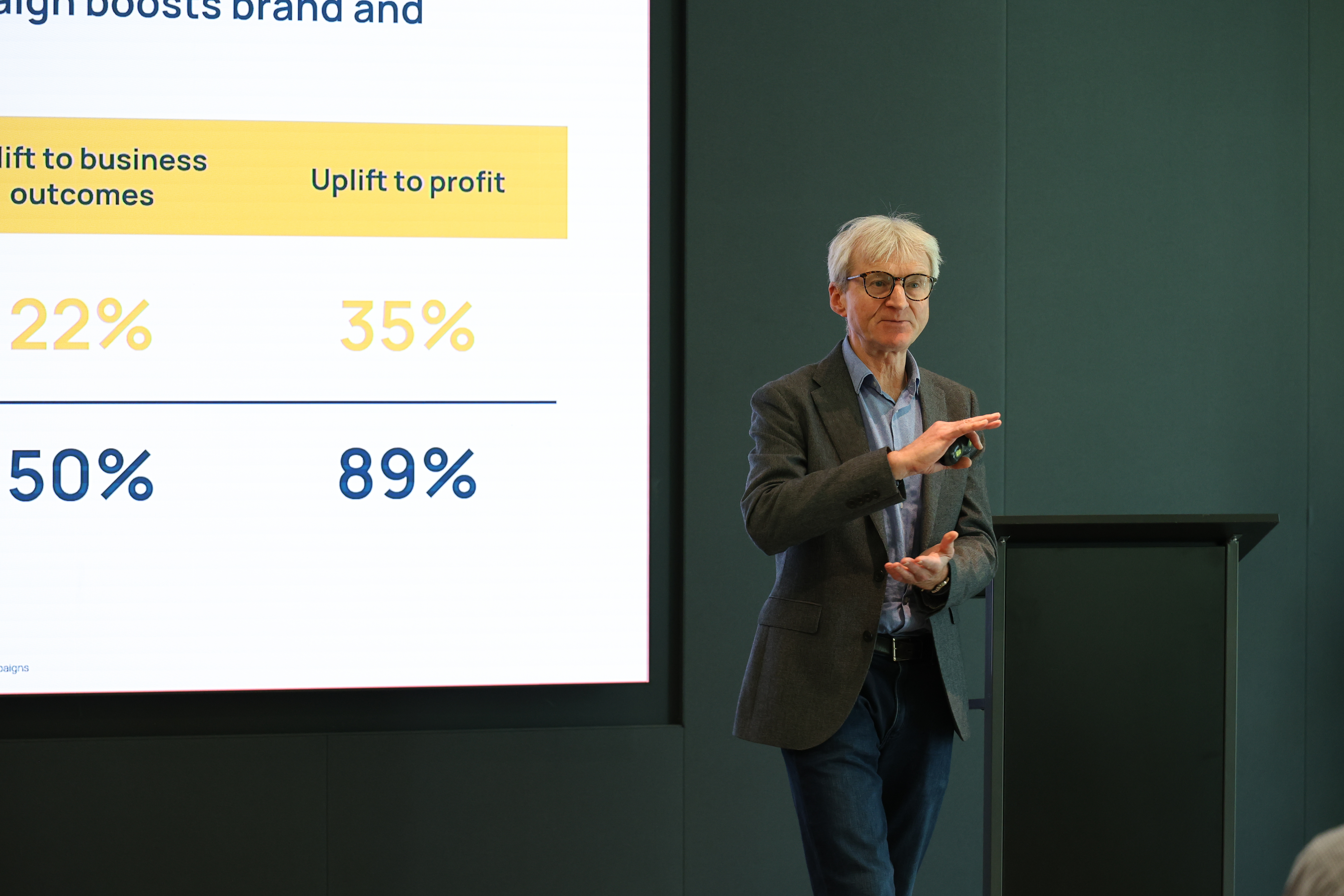
Peter Field shared analysis from the IPA Effectiveness Databank, applying attention‑weighted modelling across ten years of campaign data. Campaigns that invested more heavily in higher‑attention media delivered significantly stronger outcomes across brand and business metrics, even when total budgets were the same.
These effects were visible across mental availability, market share and profit. The findings reinforce a simple point. Attention is not a theoretical construct. It is directly linked to commercial performance.
Notably, the impact of attention‑rich media is becoming stronger over time. As the average attention level of media plans declines, platforms that continue to deliver sustained attention become disproportionately valuable.
The role of context, trust and meaning
Beyond duration, the panel explored the importance of context. Ads do not exist in isolation. They inherit meaning from the environments in which they appear.
Trusted, high‑quality contexts enhance how messages are received. They influence brand perception, pricing power and long‑term value. This reinforces Marshall McLuhan’s long‑standing insight that the medium shapes the message.
News brand environments were discussed as a clear example. Their ability to deliver sustained attention is compounded by trust, quality signalling and lower clutter. The result is a combination of attention and meaning that supports both brand building and commercial outcomes.
Designing for attention, not just buying it
For dentsu X, the opportunity lies in designing attention into media systems. Attention data allows planners to move beyond averages and static benchmarks, enabling more adaptive strategies.
With attention integrated into planning tools, teams can model how media choices contribute to short‑term response and long‑term growth simultaneously. Thresholds can be tested rather than assumed. Sequencing can be planned intentionally rather than retrospectively.
This is not about replacing craft with science. It is about augmenting craft with evidence, enabling smarter experimentation and faster learning.
Attention as a future‑proof metric
As media channels proliferate and consumer behaviour fragments, attention offers a durable organising principle. It applies across platforms, formats and markets, anchoring effectiveness in human behaviour rather than proxy metrics.
The conclusion from The Long Lunch was not that there is one right channel or one optimal mix. The conclusion was that the future belongs to those who understand how attention flows, accumulates and compounds.
Effectiveness is no longer just about reach or efficiency. It needs to consider attention for long term brand health and success.